




Mona Vale Beach became the backdrop for a major new shark surveillance announcement on Sunday, 3 May, with the NSW Government committing $650,000 towards new drone technology aimed at improving surfer safety.
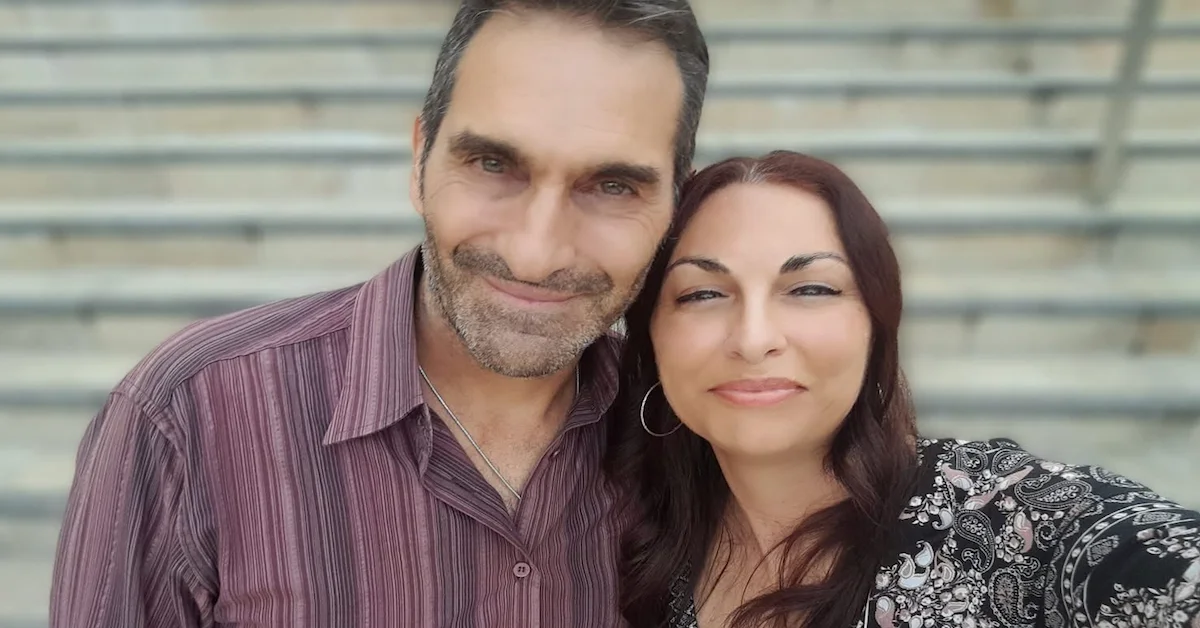
The announcement was made at Mona Vale alongside Surfing NSW representatives and the family of Northern Beaches surfer Mercury Psillakis, who was fatally attacked by a shark at Dee Why Beach in September 2025.
NSW Minister for Agriculture Tara Moriarty said the funding would support the rollout of 60 new drones and the training of 125 volunteer drone pilots through Surfing NSW.
The drones will be used during surfing competitions and training sessions across NSW beaches, including on the Northern Beaches, where boardrider clubs continue operating well beyond the Surf Life Saving patrol season.
Mona Vale Boardriders Among Clubs Receiving Drones
Mona Vale Boardriders is one of the Surfing NSW-affiliated clubs to receive a drone under the new program.
Volunteer drone operator Ben Wheeler explained that the drones would provide real-time surveillance during club activities and competitions.
If a shark is detected, surf officials would activate warning systems to clear surfers from the water.
Surfing NSW CEO Lucas Townsend said the initiative aimed to address safety concerns for surfers, particularly junior participants, outside traditional patrol periods.
He noted that while Surf Life Saving patrols had recently ended for the season, local boardrider clubs continued running events and training year-round.
Family of Mercury Psillakis Supports New Technology
Members of Mercury Psillakis’ family attended the Mona Vale announcement, including his wife Maria and twin brother Michael.
Maria Psillakis described the drones carrying Mercury’s name as deeply meaningful for the family and said the rollout represented an important step forward in ocean safety and shark mitigation efforts.
Michael Psillakis also called for further investment in emerging technologies, including AI-assisted shark detection and automated drone systems capable of operating from sunrise to sunset.
AI Shark Detection Still in Development
Leader of Shark Programs at the NSW Department of Primary Industries, Marcel Green, said research into AI shark recognition was already underway in partnership with Macquarie University researchers.
He explained that while shark detection software had advanced significantly, researchers were still working to reduce the amount of processing power required before the technology could be deployed practically at beaches.
Minister Moriarty said the NSW Government was continuing to invest in and trial emerging shark detection technologies, including automated “drone in a box” systems already being explored with Surf Life Saving NSW.
Focus on Beach Safety After Recent Shark Tragedy
The expanded drone rollout comes amid ongoing debate around shark mitigation on the Northern Beaches following Mercury Psillakis’ death and several recent shark sightings linked to marine animal carcasses washing ashore.
Royal Far West Beach, Dee Why Beach and nearby surf breaks remain among the region’s most heavily used surf locations year-round, particularly by junior surfers and boardrider clubs.
Published 4-May-2026


