




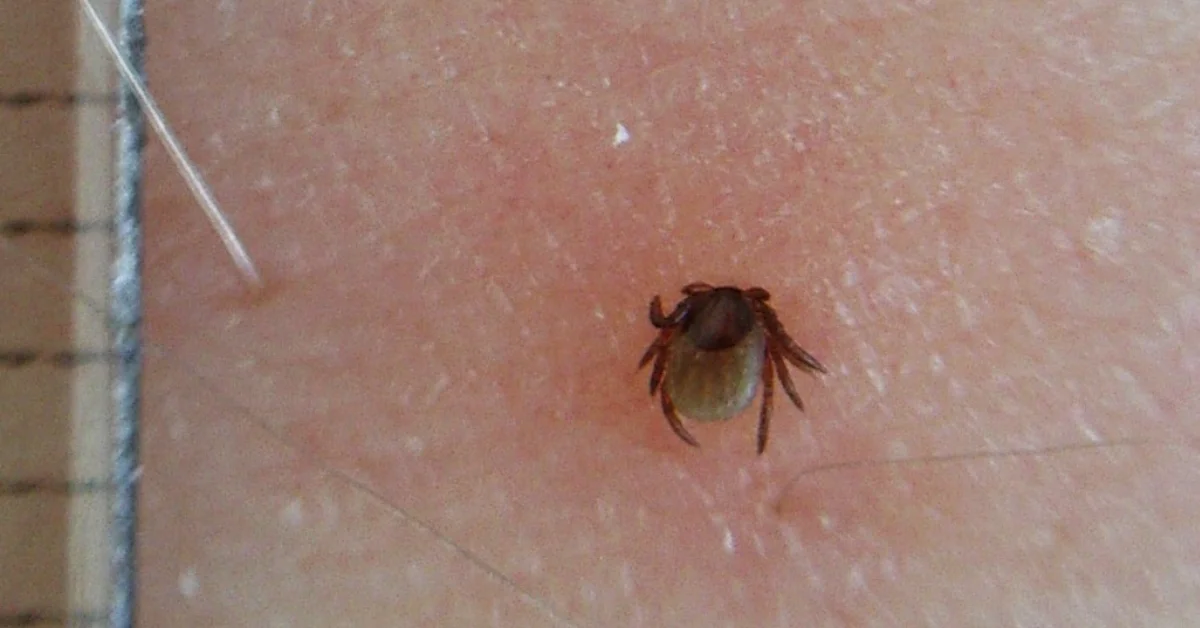
Mona Vale Hospital is considered a significant site for the diagnosis and treatment of Mammalian Meat Allergy, a tick-induced condition that specialists in the area have been tracking since 2007.
Read: Burning Waste Dumped On Mona Vale Street After Truck Fire
The Northern Beaches and surrounding regions are considered a global hotspot for the disease. The inquest into the death of a Central Coast teenager has brought renewed attention to the condition and its risks. Jeremy Webb grew up on acreage on the Central Coast, where he was first bitten by ticks from around age seven. By ten, he had begun feeling unwell after eating red meat and pork. He also had a pre-existing asthma diagnosis, and when he began waking at night struggling to breathe, his family and treating doctors attributed his symptoms to that condition.
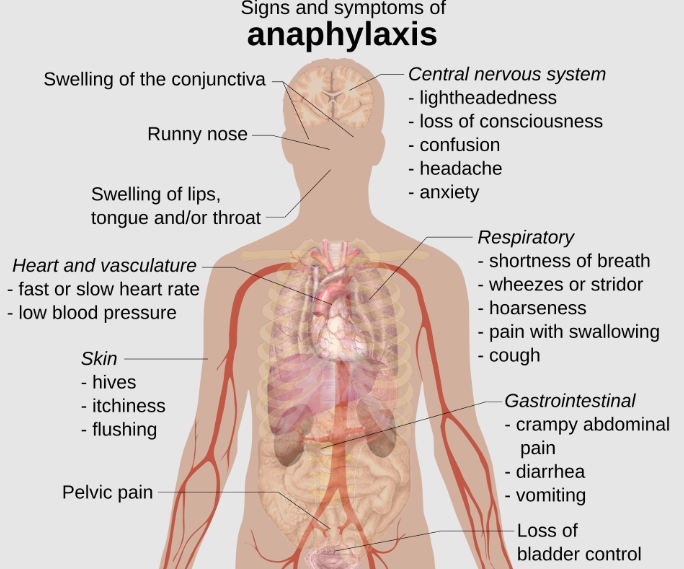
In February 2026, the NSW Deputy Coroner determined that Jeremy did not die of asthma. He died of anaphylaxis triggered by Mammalian Meat Allergy (MMA). He was sixteen years old when he collapsed during a camping trip with friends after a meal that included sausages. He was treated at Gosford Hospital but did not survive.
Twice before his death, Jeremy had been admitted to hospital with symptoms consistent with anaphylaxis. On both occasions, MMA was not identified as a possible cause, and he was discharged without a referral to an allergy specialist or a prescription for an EpiPen. His father, Jonathan, has spoken publicly about those admissions as missed opportunities for diagnosis and prevention.
Professor Sheryl Van Nunen, the immunologist and allergy physician who first identified the link between the Eastern Paralysis tick and MMA in 2007, gave evidence at the inquest. She identified the relevant allergy antibody in blood samples taken from Jeremy during his autopsy. Professor Van Nunen has indicated she believes other deaths from MMA have occurred in Australia but been attributed to asthma. She has described Jeremy as the first documented death from MMA in Australia.
A Condition on the Rise
New research from the CSIRO is the first national study to document MMA case numbers and map hotspots along the east coast. The study estimates more than 5,000 Australians are currently living with the condition. Since 2020, confirmed case numbers have increased by 22 per cent annually. Study lead Dr Alex Gofton has described this as a significant health concern.
MMA occurs when a tick, while feeding, injects saliva containing a sugar molecule called alpha-galactose into the skin. This molecule is also present in mammalian meat but not in humans. The immune system produces antibodies in response, which can then react when alpha-galactose is consumed in food, including red meat, pork, dairy and gelatin. Professor Van Nunen has noted that after two tick bites, approximately 50 per cent of people will develop these allergy antibodies.
The CSIRO notes that for most people with MMA, antibody levels decline over time with sustained avoidance of tick bites and alpha-gal containing products, meaning recovery is possible under medical guidance.
Since 2013, Professor Van Nunen has called on federal and state governments to run a public awareness campaign about the risks of tick bites, comparable in reach to campaigns such as Slip, Slop, Slap.
Read: Young Driver Hospitalised After Vehicle Rollover at Mona Vale Intersection
How to Protect Yourself and Your Family
Wear protective clothing in bush, long grass, or suburban gardens. Long sleeves and pants tucked into socks reduce skin exposure. Light-coloured clothing makes ticks easier to spot.
Use insect repellent containing DEET or picaridin on exposed skin and clothing, paying attention to areas behind ears, along hairlines, and in skin folds.
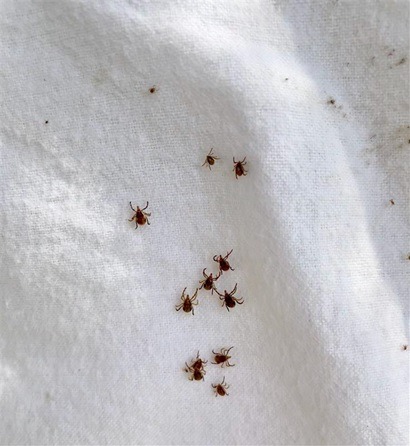
Check for ticks thoroughly after time outdoors. Ticks can be as small as a poppy seed. Check children and pets as well.
Freeze, don’t squeeze if you find an attached tick. Ether-based sprays such as Tick Off kill the tick in place, reducing the risk of allergen-containing saliva entering the skin. Once dead, remove with fine-tipped forceps and clean the area with antiseptic. Do not use household tweezers.
See a doctor if you or a family member experiences hives, swelling, breathing difficulties, or nausea after eating meat or dairy. Ask about allergy testing, particularly if you spend time in bushland areas. If someone is having difficulty breathing or has collapsed, call 000 immediately.
Published 27-May-2026